

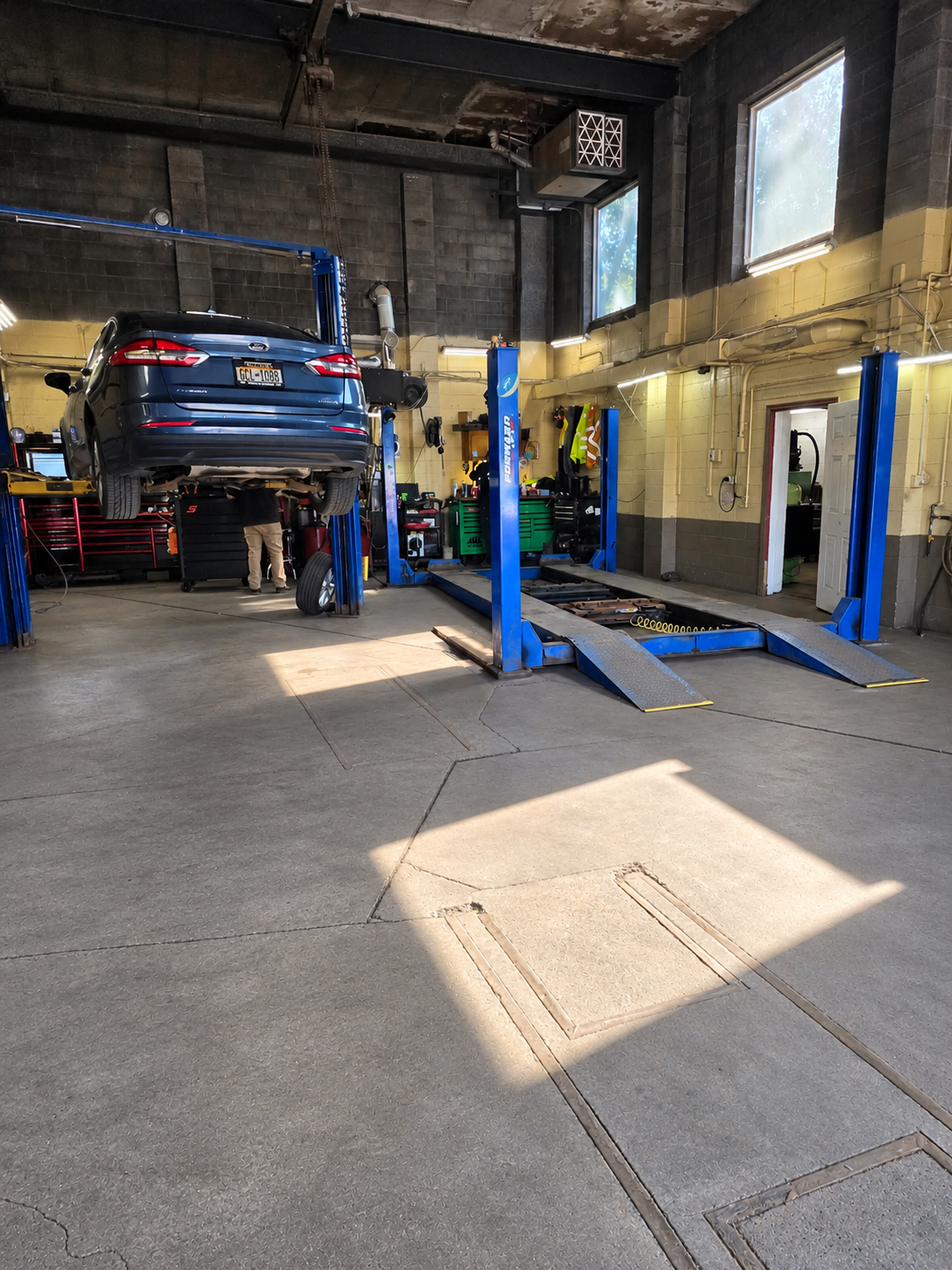
A Little Auto Care Goes a Long Way

April 18, 2017

Performing simple preventative maintenance on your vehicle will go a long way toward protecting your vehicle investment, says the non-profit Car Care Council.

“Buying a new car today comes with a hefty price tag when you add up the down payment, monthly car payments and higher insurance rates. Neglecting its care can mean even higher costs down the line in the form of more extensive repairs and lost resale value,” said Rich White, executive director, Car Care Council. “By following a proactive auto care plan, the typical car should deliver at least 200,000 miles of safe, dependable, efficient and enjoyable performance.”

National Car Care Month in April is the perfect time of year to give your car some extra attention. The Car Care Council recommends following a vehicle service schedule, keeping a free copy of the council’s Car Care Guide in the glovebox and performing the most common routine maintenance procedures to keep your vehicle performing at its best.


  • Check all fluids, including engine oil, power steering, brake and transmission as well as windshield washer solvent and antifreeze/coolant.
  • Check the brake system annually and have the brake linings, rotors and drums inspected at each oil change.
  • Check the tires, including tire pressure and tread. Uneven wear indicates a need for wheel alignment. Tires should also be checked for bulges and bald spots.
  • Check the hoses and belts to make sure they are not cracked, brittle, frayed, loose or showing signs of excessive wear.
  • Check the heating, ventilating and air conditioning (HVAC) system as proper heating and cooling performance is critical for interior comfort and safety reasons, such as defrosting.
  • Check the wipers and lighting so that you can see and be seen. Check that all interior and exterior lighting is working properly and replace worn wiper blades so you can see clearly when driving during precipitation.

“Be sure to fully inspect your vehicle annually, including performing a tune-up and wheel alignment,” continued White. “If you ever suspect there is a problem, it’s a good idea to address it quickly before minor repairs become more complicated, expensive repairs.”


The Car Care Council is the source of information for the “Be Car Care Aware” consumer education campaign promoting the benefits of regular vehicle care, maintenance and repair to consumers. For the latest car care news, visit the council’s online media room at http://media.carcare.org. To order a free copy of the popular Car Care Guide, visit the council’s consumer education website at www.carcare.org.

Black gear icon on a white background

LATEST NEWS

Tips From Under the Hood

Close-up of a glossy red sports car beside a dark green car in a parking garage
January 18, 2019
Pothole Damage and Your Vehicle
Close-up of a red sports car’s front end in a showroom, with headlight and grille visible
May 11, 2017
Purchasing a new car is a major financial investment. Keeping it clean is an easy and inexpensive way to protect its resale and trade-in value, says the non-profit Car Care Council. “Many motorists procrastinate when it comes to cleaning their vehicles,” said Rich White, executive director, Car Care Council. “Whether you do it yourself or have it cleaned professionally, proactively keeping your car clean on the outside, and tidy on the inside, will pay big dividends when it comes to maintaining your vehicle’s value over time.” The Car Care Council suggests five simple steps to keep a vehicle clean, helping protect it from the elements and preserve its value. 
Car carrier truck hauling a white SUV on a highway near an overpass.
By Kevin Rohlwing • April 3, 2017
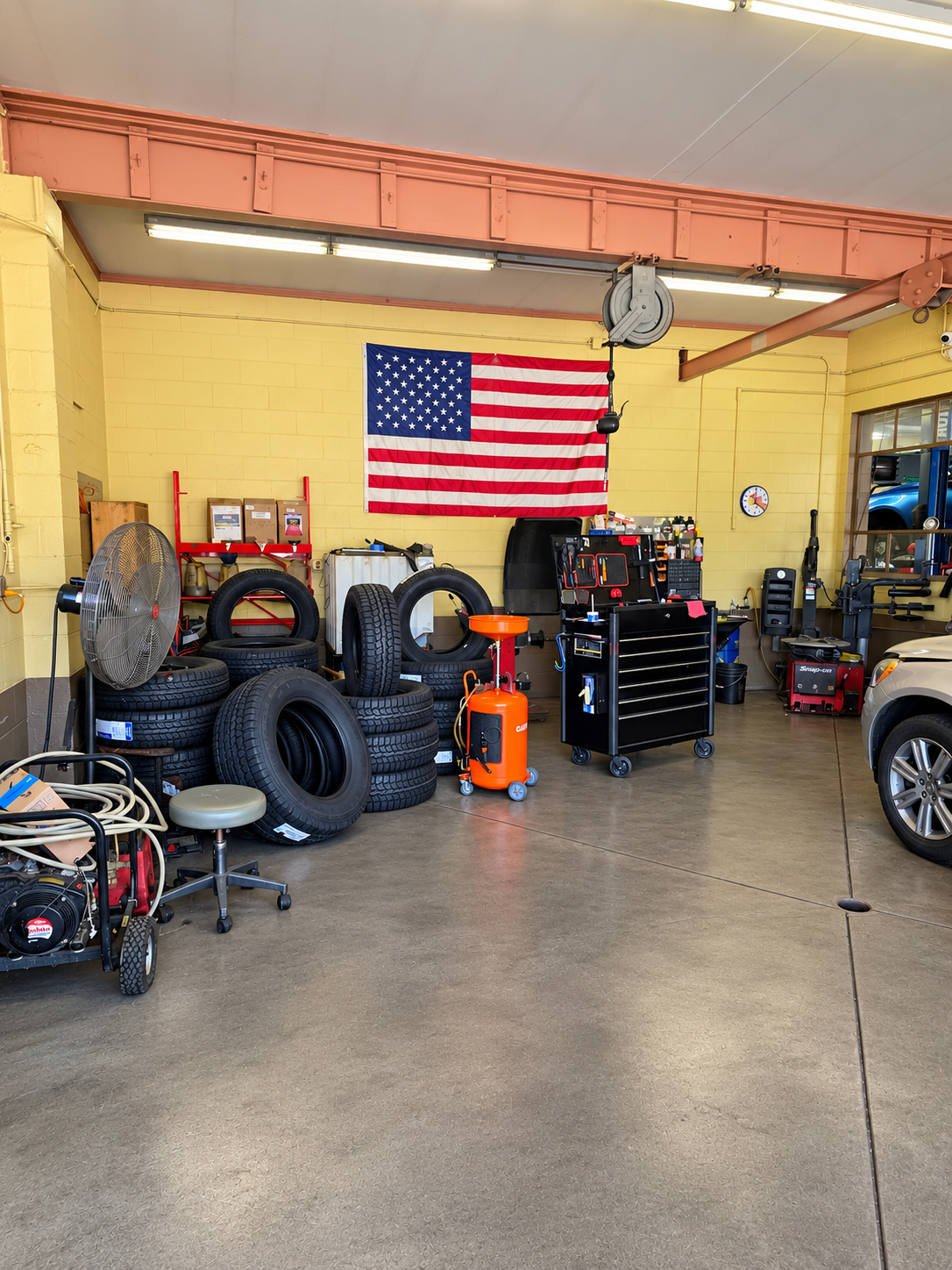
The tires are the only thing between the vehicle and the road. When they are properly inflated and in good condition, the handling, stability and safety of the vehicle will be maximized. Conversely, when the tires are under inflated, worn out or damaged, all of the safety systems on the vehicle cannot overcome the loss of control that comes with a blow-out or hydroplaning situation. Air pressure in a tire is like oil in an engine; when it is low, the resulting internal damage is unseen until it is too late. Tires naturally lose 1-2 psi per month, so ongoing neglect will eventually result in a tire that cannot support the weight of the vehicle and the occupants. When this happens, the resulting blow-out can result in the loss of control and an accident.